All lists
| Plant | Type | Note | |
|---|---|---|---|
|
Species
|
||
|
Species
|
||
|
Species
|
||
|
Species
|
||
|
Species
|
||
|
Species
|
||
|
Species
|
||
|
Species
|
||
|
Species
|
||
|
Species
|
||
|
Species
|
||
|
Species
|
||
|
Species
|
||
|
Species
|
||
|
Species
|
||
|
Species
|
||
|
Species
|
||
|
Species
|
||
|
Species
|
||
|
Species
|
||
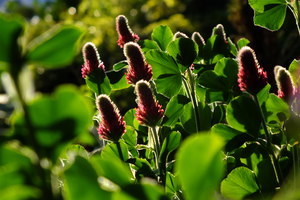
|
Species
|
||
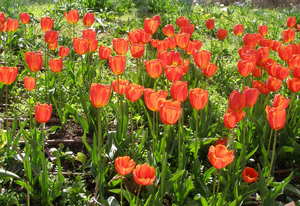
|
Species
|
||
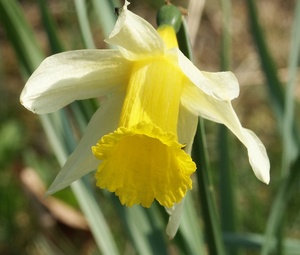
|
Species
|
||
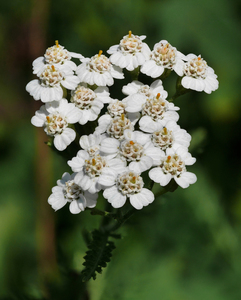
|
Species
|
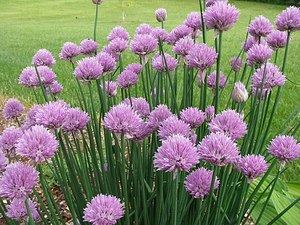
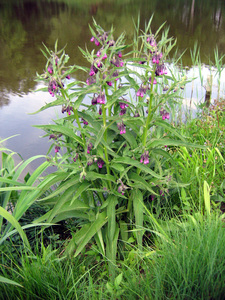
“I’ve got a longer list for you, sourced from Nabhan’s Growing Food in a Hotter, Drier Land, via Michael Phillips’ book, The Holistic Orchard. Here we go: Nutrient pumpers: penetrating roots that bring K, Ca, et al, from the subsoil up to the surface. Comfrey, dock, and dandelion are among them; think plants with long taproots. Mycorrhizal accumulators: some plants’ root systems provide sugars which host fungi which in turn help boost the growth of the plant. Lavender and thyme and ironwood are examples. Soil enrichers: Plants which produce lots of nutrient-rich leaves that fall or are cut down and used to “mulch in place.” The swiss army knife of permaculture, comfrey, is again a good choice. With an N-P-K ratio of 1.8-.5-5.3, it won’t rob the soil of nitrogen as it breaks down like straw or leaf mulch. Stone fruits, pears, and apples need nitrogen for strong growth. The potassium in comfrey makes it a very good choice for fruit trees because potassium is needed for good bud and fruit development. Comfrey is also a good source of calcium and trace minerals. Weed suppressors: Plants which cover the surface of the soil and shade out weeds without hogging all the nutrients. Peppermint, comfrey, velvet bean, etc. Disease suppressors: Papago pea for Texas root rot, mints for pea leaf curl, or chives for apple scab. Insectary plants: These give nectar, shelter, and homes for beneficial insects. There are many lists. Here is one. Rodent ridders: While there is no silver bullet, every little thing helps. Try red squill (Drimia maritima) which repels some rodents and is toxic to rats; and daffodils, which voles find distasteful. Nectar & pollen producers: Keep your friends closeby for pollinating purposes. Plug in your zip code at this website, Pollinator Partnership, for an extremely thorough and informative list of pollinator plants for your ecoregion within the U.S.. Insect pest confounders: Some flowers are just so potent, they mask the scent of the target of the pest. Hide what you want to protect by planting buffalo gourd, desert lavender, or wild oregano.” Source: https://littlehouseinthesuburbs.com/2014/04/guilding-the-pear.html
https://www.interdependentweb.com/designs/pear_tree_guild_succession_planting